The Role of Luck in Gambling
Luck is often cited as a fundamental element in gambling, creating an unpredictable environment that keeps players engaged. When individuals participate in games of chance, outcomes are frequently dictated by random events, where the element of luck plays a significant role. For instance, in games like slots or roulette, players have no control over the results, relying purely on chance. This randomness can lead to exhilarating wins or painful losses, making the experience both thrilling and volatile. Many enthusiasts seek out platforms that offer exciting options, including instant withdrawal casino australia real money , which can enhance the thrill of the game. The randomness inherent in these games serves as a reminder that, despite strategies one might employ, the outcome often hinges on factors beyond one’s control.
Moreover, luck not only influences individual outcomes but also shapes perceptions of gambling as a whole. Many players believe that luck can be cultivated or changed, leading to practices such as superstitions or rituals to attract favorable outcomes. Gamblers may carry lucky charms, wear specific clothing, or even follow particular routines before playing, all in an attempt to sway fortune in their favor. This psychological aspect enhances the overall gambling experience, making it feel more personal and interactive. It fosters a belief system that can make players feel more connected to their games, even if the odds remain fundamentally unchanged.
Despite its unpredictability, luck remains an undeniable force in gambling that can lead to life-changing wins or devastating losses. Many memorable stories from the gambling world highlight extraordinary lucky streaks that transformed lives overnight. Such narratives fuel the allure of gambling, as players fantasize about their chance to hit the jackpot. These personal stories not only inspire participation but also generate discussions around the role of luck in their gambling journeys. The thrill of a sudden windfall often overshadows the regularity of losses, creating a compelling narrative that keeps players returning for more, hoping to replicate the extraordinary.
The Importance of Skill in Gambling
While luck plays an undeniable role in gambling, skill is equally crucial, particularly in games that require strategic thinking and decision-making. In games like poker or blackjack, players who understand the intricacies and strategies can significantly increase their chances of winning. Knowledge of probability, psychology, and game theory can give skilled players an edge over their opponents, turning a game of chance into a battle of wits. This highlights the dual nature of gambling, where skill can transform what could be a mere lucky break into a consistent winning strategy, providing a competitive advantage that can lead to long-term success.
In addition to enhancing winning potential, skill also fosters a deeper appreciation for the games. Players who invest time in learning strategies often become more engaged and invested in the outcome. For example, poker tournaments require players to read their opponents and adapt their strategies accordingly, leading to a dynamic and thrilling experience. This level of involvement not only makes the game more enjoyable but also cultivates a sense of community among players who share similar skill levels. The social aspect of skill-based games can enhance their appeal, as players often bond over shared experiences and strategies.

Furthermore, skill-based gambling often leads to a more sustainable gambling habit. Players who rely on their skills are less likely to chase losses in an attempt to regain money lost due to luck. Instead, they approach gambling with a strategy in mind, understanding the long-term odds and focusing on making calculated decisions. This shift from being entirely luck-based to skill-oriented can ultimately lead to a more responsible and enjoyable gambling experience, reducing the risk of developing problematic behaviors. By honing their skills, players can foster a more disciplined approach, balancing their love for the game with a keen understanding of their limits.
Finding the Balance Between Luck and Skill
Understanding the interplay between luck and skill is essential for a well-rounded gambling experience. Successful gamblers recognize that while they cannot control luck, they can prepare themselves to make informed decisions when opportunity arises. This balance between luck and skill is akin to a poker game where the best players combine their strategic knowledge with the element of chance presented by their hands. This synergy is what makes gambling uniquely fascinating, as each session holds the potential for both skill and fortune to come into play. Embracing both elements allows players to navigate the unpredictable world of gambling with greater confidence.
Moreover, the combination of luck and skill can heavily impact the outcomes of various games within the gambling arena. For instance, in a game like blackjack, luck determines the cards dealt while skill influences how players respond to those cards. Successful players develop strategies to manage their bets based on the fluctuation of luck, demonstrating how nuanced gambling can be. This adaptability is what often separates casual players from seasoned professionals who thrive on an understanding of this balance. Mastering the art of adjusting strategies in response to the ebb and flow of luck can significantly enhance a player’s success rate.
Additionally, finding harmony between luck and skill can lead to more enjoyable experiences for gamblers. Skilled players learn to appreciate the thrill of a lucky win while also finding satisfaction in their strategic prowess. Similarly, casual players, who may rely more heavily on luck, can enjoy the excitement of gambling while remaining mindful of the potential for better strategies. Ultimately, embracing both elements allows for a rich and diverse gambling culture that caters to various player preferences, ensuring that every type of player can find joy in the game.
The Psychological Aspects of Gambling
The psychology behind gambling is deeply influenced by the dual forces of luck and skill. Players often experience a rollercoaster of emotions, from the high of a big win fueled by luck to the frustration of a loss that might seem unjust. This emotional investment is a significant reason people are drawn to gambling, as the possibility of winning can trigger feelings of excitement and hope. Understanding this psychological aspect helps players navigate the highs and lows more effectively. Being aware of one’s emotional responses can aid in making rational decisions, especially during critical moments in gameplay.
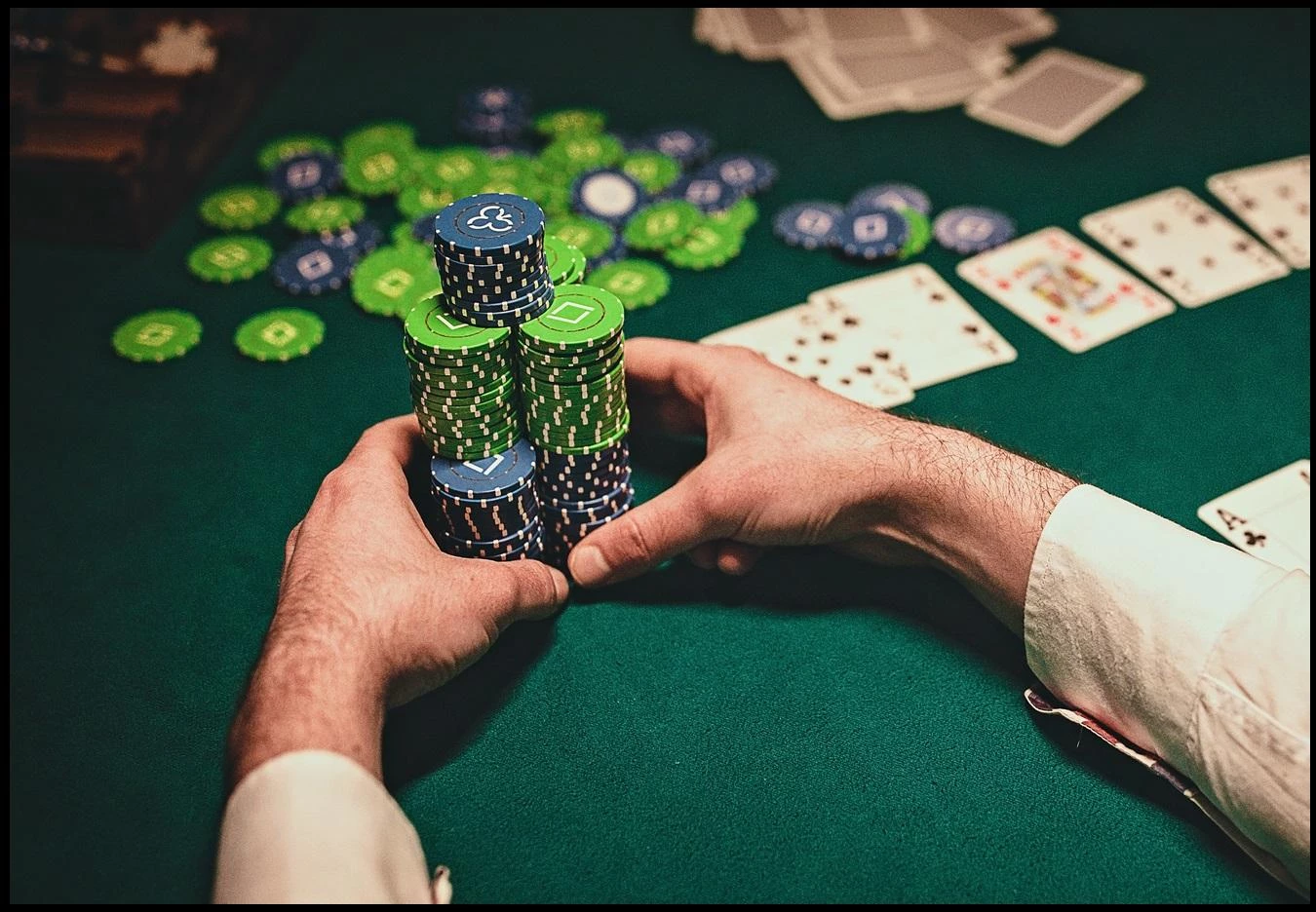
Additionally, the perception of control plays a crucial role in gambling psychology. Players who believe they can influence outcomes through skill often feel more empowered and engaged compared to those who view themselves as mere spectators of chance. This sense of agency can lead to more strategic play, as players refine their skills and adapt their strategies based on experiences. The psychology of winning, even if influenced by luck, can enhance confidence and lead to further participation in gambling activities. This belief in personal agency can bolster not only their performance but also their enjoyment of the game.
Lastly, understanding the psychological impact of both luck and skill can help promote responsible gambling practices. Players who recognize when they are relying too heavily on luck can implement strategies to mitigate risks by enhancing their skills or setting limits on their gambling activities. Awareness of emotional triggers and psychological tendencies can lead to healthier gambling habits, ensuring that the experience remains enjoyable without spiraling into negative consequences. By finding a balance between emotional investment and strategic play, players can enjoy gambling as a form of entertainment rather than a source of stress.
Exploring Resources for Gambling Wisdom
As the world of gambling continues to grow, several resources are available for players looking to deepen their understanding of luck and skill. Websites dedicated to gambling education offer insights, articles, and tutorials that explore strategies for various games. These resources empower players by providing them with knowledge, allowing them to make informed decisions and enhance their skills. Engaging with such platforms can be a game-changer for both novice and experienced gamblers alike, transforming their approach to gambling from one of mere luck to one grounded in strategy and knowledge.
Furthermore, forums and community groups often exist where players can share their experiences and strategies. These platforms foster a sense of camaraderie, allowing individuals to learn from one another and discuss the balance of luck and skill in their gambling journeys. Engaging with others can lead to new insights and perspectives that might not have been previously considered, enriching players’ understanding of gambling as a multifaceted activity. The collaborative nature of these communities can enhance learning and create lasting connections among players.
Ultimately, the world of gambling thrives on discovery and learning, meaning that players have a wealth of information at their fingertips. Exploring different sources, whether through online articles or community discussions, can significantly impact their gambling experience. With an understanding of how luck and skill intertwine, players can approach their gambling ventures with insight and confidence, enhancing their overall enjoyment and success. This continuous learning process can keep the experience fresh and engaging, ensuring that players remain invested in their growth as gamblers.